
Introduction
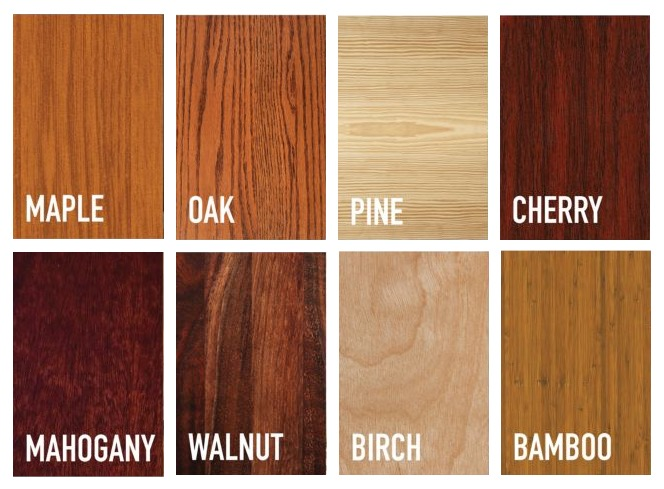
When building or buying furniture, choosing the right wood is one of the most important decisions you’ll make. Using the wrong wood can lead to warping, cracking, premature wear, or structural issues. In this guide, we’ll dive deep into the types of wood for furniture and explain which type of wood is suitable for which furniture piece. By the end, you’ll know how to pick durable wood for furniture that looks stunning and lasts a lifetime.
1. Understanding Wood Categories: Hardwoods, Softwoods & Engineered Woods
Before we jump into specific species, it helps to understand the basic categories:
- Hardwood: Comes from deciduous trees (trees that shed leaves). These woods are generally denser and stronger, making them ideal for high-stress furniture pieces.
- Softwood: Comes from coniferous trees (evergreens). These are lighter, easier to work with, and less expensive, but can be more prone to dents and wear.
- Engineered & Composite Woods: Includes plywood, MDF, particle board, veneer, etc. These are manufactured products that combine wood fibers, glue, and layers to achieve dimensional stability or cost efficiency.
Many premium furniture pieces rely heavily on hardwoods because of their strength, stability, and aesthetic appeal.
However, softwoods and engineered woods still have their place—especially for less critical parts (backs, drawers, secondary surfaces) or for painted furniture.
2. Top Wood Types for Furniture & Their Best Uses
Here are the most common woods used in furniture, along with pros, cons, and best use cases:
| Wood | Characteristics / Strengths | Weaknesses / Considerations | Ideal Furniture Use |
|---|---|---|---|
| Oak (Red Oak / White Oak) | Strong, durable, attractive grain, water & wear resistance | Heavy, grain may be prominent (harder to stain evenly) | Dining tables, chairs, cabinets, flooring |
| Maple (Hard / Soft Maple) | Very hard, fine grain, takes stain or paint well | Can blotch with stain; more expensive | Dressers, kitchen cabinets, butcher’s blocks |
| Walnut | Rich, dark color; beautiful grain; works well for fine furniture | Expensive, may show color variation | Headboards, accent furniture, luxury pieces |
| Cherry | Ages beautifully (darkens over time), smooth grain, good workability | Costly, sensitive to UV light | Dressers, sideboards, decorative furniture |
| Mahogany | Excellent workability, straight grain, warm tones | Higher cost, sustainable sourcing concerns | Luxury furniture, veneers, turned pieces |
| Teak | Naturally water-resistant, durable, ideal for exposed use | Expensive, oily (makes gluing more challenging) | Outdoor furniture, garden benches, poolside settings. |
| Pine (Softwood) | Affordable, lightweight, easy to work with, takes paint well | Scratch/dent prone, softer, less durable | Rustic furniture, painted furniture, kids’ furniture |
| Rubberwood | Plantation hardwood, eco-friendly, stable, good for indoor furniture | Not suited for wet/outdoor use | Frames, indoor chairs, cabinets |
Detailed Explanations & Use Cases
Oak (Red Oak / White Oak)
Oak is a go-to for many furniture makers. White oak, especially quarter-sawn, is dense and more water resistant. Red oak has prominent grain and gives a warm wood look. Because of its robustness, oak is great for tables, chairs, cabinets, and heavy-use pieces.
Maple
Maple is one of the hardest woods used for furniture. It’s often chosen for pieces that will see daily wear, like dressers or kitchen cabinets. Because the grain is subtle, it can also be ideal for painted surfaces.
Walnut
Walnut is prized for its rich color and beautiful, distinctive grain. It’s often used in high-end or fine furniture, accent pieces, and carved work.
Cherry
Cherry is beloved for its elegant appearance and the way its tone deepens over time. It’s ideal for traditional, formal, or heirloom pieces.
Mahogany
Mahogany has a long history in furniture making. Its even grain and warm tones make it a choice wood for fine furniture. The challenge today is sustainability and cost.
Teak
Teak is exceptional for outdoor furniture because it’s resistant to moisture, insects, and warping. Many boat decks and patio sets are made from teak for these very reasons.
Pine
As a softwood, pine is not as strong or durable as hardwoods. But its cost-effectiveness, ease of working, and suitability for painted finishes make it widely used—especially in rustic or budget-friendly furniture.
Rubberwood
Rubberwood is one of the sustainable “plantation hardwoods.” After rubber trees have served their latex production life, the wood is harvested and often used for furniture. It’s stable, relatively inexpensive, and suitable for indoor use.
3. Which Type of Wood Is Suitable for Which Furniture?
To make it practical, here’s a breakdown of which wood suits which furniture pieces:
3.1 Dining Tables & Chairs
You want a wood that resists scratching, warping, and the stress of regular use. Oak, maple, and walnut are excellent choices.
- For a luxury look: walnut or cherry
- For durability and ease: oak or maple
3.2 Cabinets & Kitchen Furniture
Cabinets must hold up to moisture, heat, and frequent use.
- Maple (especially hard maple) is often preferred for painted or semi-gloss finishes.
- Oak is also common for natural finishes.
- Teak can be used in regionally appropriate, humid or tropical settings.
3.3 Beds, Dressers & Bedroom Furniture
For furniture that should last decades, go with cherry, walnut, oak, or maple. These woods age well, resist warping, and maintain structural integrity over time.
3.4 Outdoor & Garden Furniture
Outdoors is harsh: sunlight, rain, humidity, insects. The top pick here is teak, thanks to its natural oils and resistance to rot. Other species like acacia (if well treated) or treated hardwoods can also work.
3.5 Decorative & Accent Furniture
For smaller pieces or decorative furniture (coffee tables, side tables, decorative cabinets), you can afford to use premium or exotic wood like walnut, mahogany, or cherry to make the piece pop visually.
3.6 Painted/White Furniture
If your furniture is going to be painted (white or colored), you don’t need a dramatic grain. Maple, poplar, or rubberwood are good because they have a relatively uniform and consistent surface.
4. Tips to Choose the Right Wood
1. Finish & sealing: Even strong woods need good finish (varnish, oil, polyurethane) to resist moisture and wear.
2. Match function with durability: High-traffic furniture needs durable hardwood, not softwood.
3. Consider climate & moisture: In humid regions, woods like teak or well-seasoned oak are better.
4. Look at grain pattern: If you prefer uniform finishes or paint, choose woods with mild grain (maple, poplar, rubberwood).
5. Factor cost & availability: Exotic woods cost more. Balance beauty with budget.
Check sustainability & certifications: Use FSC-certified woods or plantation hardwoods when possible.
Conclusion
Choosing the right wood for furniture is not just about looks — it’s about matching strength, durability, aesthetic appeal, and cost. For heavy-use furniture like dining sets or kitchen cabinets, oak, maple, or walnut are safe bets. For outdoor pieces, teak leads the way. For painted designs, maple or rubberwood offer smooth surfaces.
By combining smart selection with proper finishing and maintenance, your furniture can both look great and last decades.
Action Time
We love bringing your ideas to life! Whether you’re looking for modern, classic, or custom-made furniture, our team is here to design and craft exactly what you want. Tell us your style, your space, and your dream setup — we’ll make it happen with precision and care. We manufacture premium-quality furniture that blends beauty, comfort, and durability. And if you’re an international customer — great news! We also handle bulk export orders with the same commitment to quality and timely delivery. Connect with us today and let’s create something special for your home, office, or business together.